
Understanding the Role of LPNs and RNs
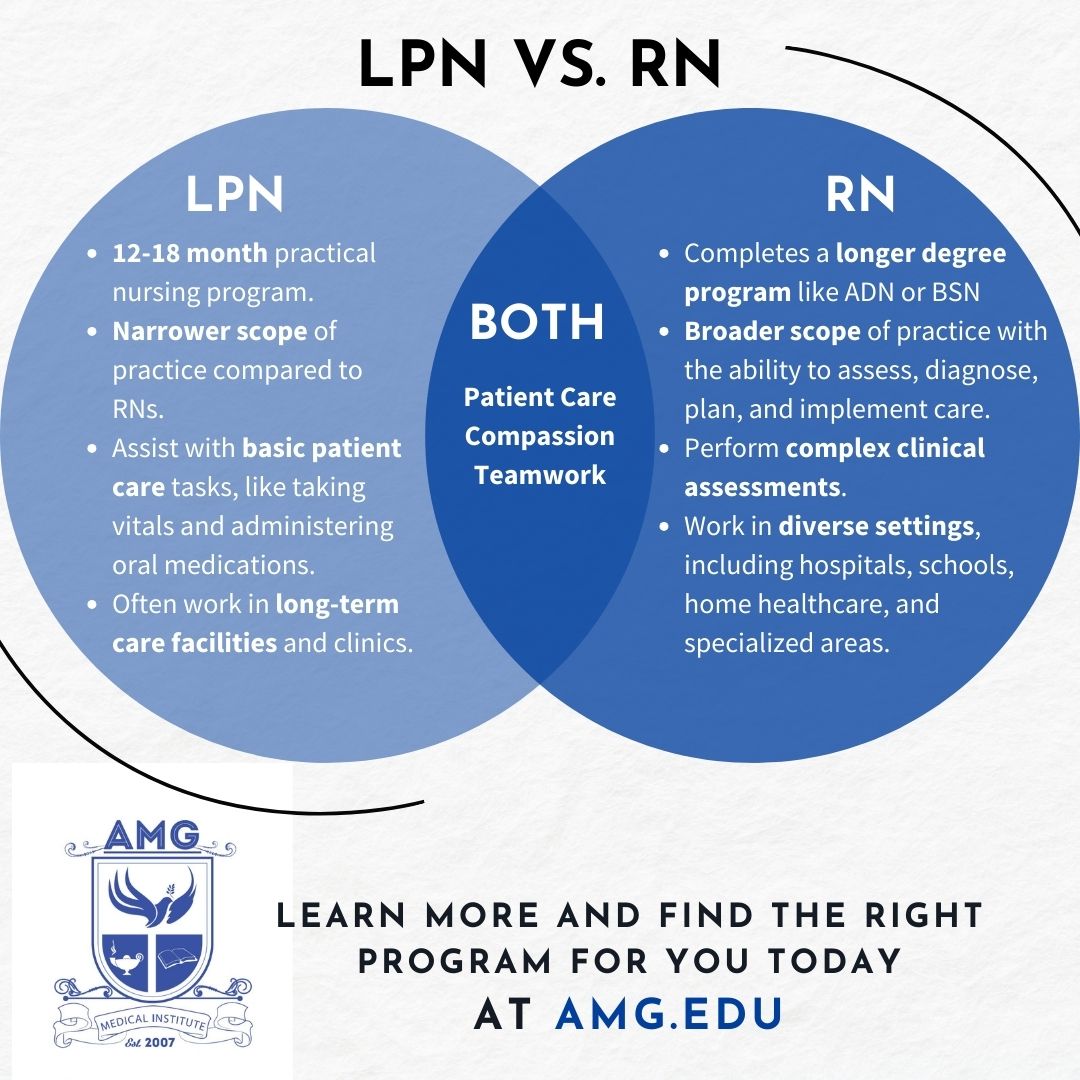
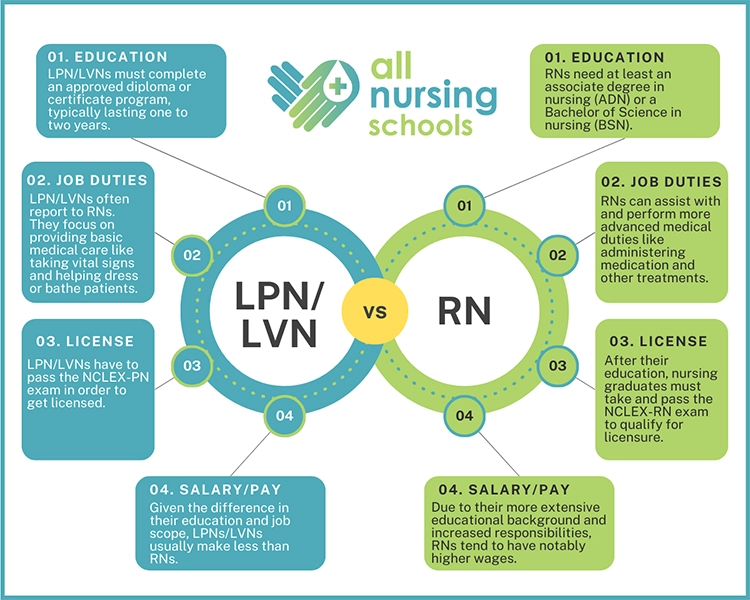
Licensed Practical Nurses (LPNs) and Registered Nurses (RNs) play crucial roles in healthcare settings, but their responsibilities and scope of practice differ significantly.
Responsibilities of LPNs and RNs
- LPNs primarily provide basic nursing care under the supervision of RNs or physicians.
- RNs are responsible for assessing patient conditions, developing care plans, administering medications, and coordinating patient care.
Scope of Practice Comparison
- LPNs focus on bedside care, including taking vital signs, dressing wounds, and assisting with personal hygiene.
- RNs have a broader scope, involving critical thinking, decision-making, and leadership in patient care.
Tasks Examples
- LPNs can administer medications, monitor patients, and collect samples for testing.
- RNs can perform assessments, create care plans, interpret diagnostic tests, and educate patients on managing their conditions.
LPN to RN Transition Programs
LPN to RN bridge programs play a crucial role in helping licensed practical nurses (LPNs) further their education and career by transitioning to registered nurses (RNs). These programs are designed to bridge the gap between the two roles, offering LPNs the opportunity to advance their skills and expand their scope of practice.
Educational Requirements for LPNs Seeking to Become RNs
LPNs looking to become RNs through bridge programs typically need to meet certain educational requirements. These may include completing specific coursework in areas such as anatomy, physiology, and chemistry, as well as gaining hands-on clinical experience. Additionally, LPNs may need to have a certain amount of work experience in the field before being eligible to apply for an RN program.
Common Prerequisites for LPNs Applying to Transition into RN Programs
- Active LPN license: LPNs must hold a current and unrestricted license to practice as a licensed practical nurse.
- High school diploma or GED: Most RN programs require applicants to have a high school diploma or equivalent.
- Prerequisite courses: LPNs may need to complete specific prerequisite courses in subjects like biology, chemistry, and mathematics before applying to an RN program.
- Minimum GPA: Some programs may have a minimum GPA requirement for LPNs seeking to transition into RN programs.
- Letters of recommendation: LPNs may need to submit letters of recommendation from supervisors or colleagues in the healthcare field.
Benefits of Bridging the Gap
LPNs who pursue further education to become RNs can experience a wide range of advantages that positively impact their careers, patient care, and healthcare outcomes.
Advantages for LPNs Transitioning to RNs:
- Increased job opportunities and career advancement.
- Higher earning potential and salary growth.
- Expanded scope of practice and responsibilities.
- Enhanced critical thinking and decision-making skills.
- Ability to provide a higher level of patient care and support.
Success Stories of LPNs Transitioning to RNs:
Many individuals have successfully transitioned from LPN to RN roles, showcasing their dedication, hard work, and commitment to advancing their nursing careers. These success stories serve as inspiration for other LPNs considering making the transition.
Positive Impact on Patient Care and Healthcare Outcomes:
- Improved patient outcomes due to higher level of care provided by RNs.
- Enhanced coordination and communication among healthcare team members.
- Reduced medical errors and adverse events through critical thinking skills of RNs.
- Increased patient satisfaction and trust in the healthcare system.
- Overall improvement in quality of healthcare services and delivery.
Finding Nursing Programs Near Me
Finding a suitable LPN to RN bridge program in your local area can be a crucial step in advancing your nursing career. Whether you prefer the flexibility of online learning or the structure of on-campus classes, there are key factors to consider when searching for nursing programs nearby.
Comparing Online vs. On-Campus Programs
When exploring nursing programs near you, it's important to weigh the pros and cons of online versus on-campus options. Online programs offer flexibility for working professionals or those with busy schedules, allowing you to study at your own pace. On the other hand, on-campus programs provide a more structured learning environment with face-to-face interactions and hands-on training opportunities.
Consider your learning style, time commitments, and preferred mode of instruction when choosing between online and on-campus LPN to RN programs.
Factors to Consider in Choosing a Nursing Program Nearby
- Accreditation: Ensure that the nursing program you choose is accredited by reputable organizations to guarantee quality education and eligibility for licensure exams.
- Cost: Compare tuition fees, financial aid options, and potential additional expenses such as textbooks or clinical fees to determine the overall affordability of the program.
- Program Length: Evaluate the duration of the LPN to RN bridge program, including prerequisites, core courses, and clinical rotations, to align with your career goals and timeline for completion.
Q&A
What are the main differences between LPNs and RNs?
LPNs have more limited scope of practice compared to RNs, with RNs having higher responsibilities and often supervisory roles.
How can one find nearby nursing programs to transition from LPN to RN?
Searching online, contacting local healthcare facilities for recommendations, and checking with nursing schools in the area are good ways to start.
What are the benefits of LPNs pursuing further education to become RNs?
Advantages include increased job opportunities, higher salary potential, and the ability to take on more critical patient care roles.