

How AI is Revolutionizing Education
AI, or artificial intelligence, has been making significant strides in transforming the educational landscape by revolutionizing how students learn and interact with course materials. With the integration of AI into academic programs, online colleges are able to provide personalized learning experiences, real-time feedback, and innovative teaching methods that cater to the individual needs of each student.
AI Applications in Online Learning
- AI-powered tutoring systems: Virtual tutors use machine learning algorithms to adapt to students' learning styles and provide tailored support.
- Chatbots for student assistance: AI chatbots are used to answer student queries, provide guidance, and offer support outside of regular office hours.
- Automated grading systems: AI algorithms can grade assignments, quizzes, and exams quickly and accurately, freeing up instructors' time to focus on teaching.
Benefits of Integrating AI into Academic Programs
- Enhanced personalization: AI can create personalized learning pathways for students based on their strengths, weaknesses, and preferences.
- Improved student engagement: Interactive AI tools and virtual simulations increase student engagement and motivation to learn.
- Efficient feedback mechanisms: AI provides instant feedback to students, helping them identify areas for improvement and track their progress in real-time.
How AI Enhances Student Engagement and Learning Outcomes
- Adaptive learning: AI systems adapt to each student's pace and learning style, ensuring that they receive the support and resources they need to succeed.
- Personalized recommendations: AI algorithms recommend additional learning materials, resources, and activities tailored to each student's unique learning profile.
- Data-driven insights: AI analyzes student performance data to identify trends, predict future outcomes, and offer personalized interventions to support student success.
Implementing AI in Online College Curriculums
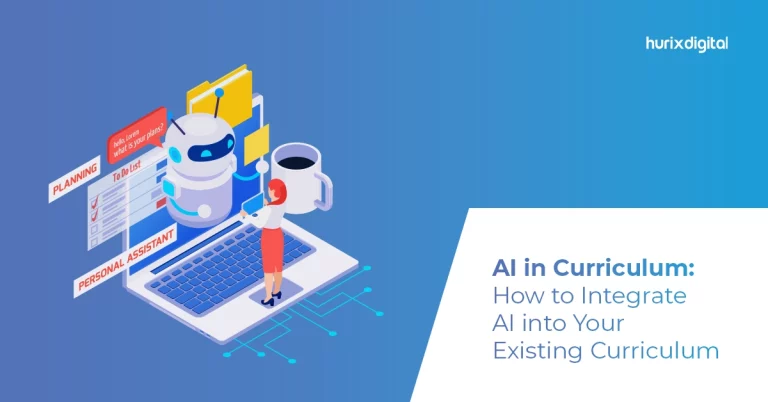
Integrating artificial intelligence (AI) into online college curriculums has become a game-changer in the field of education. By leveraging AI tools, online colleges are enhancing the learning experience for students and improving educational outcomes.
Process of Integrating AI Tools into Online Courses
- AI-powered Learning Management Systems (LMS): Online colleges are incorporating AI algorithms into their LMS platforms to personalize learning paths for students based on their strengths and weaknesses.
- Chatbots for Student Support: Virtual assistants powered by AI technology are being used to provide instant support to students, answering queries and offering guidance 24/7.
- Automated Grading Systems: AI tools are being utilized to automate the grading process for assignments and exams, providing quick feedback to students.
Comparison of Different AI Technologies Used by Online Colleges
- Machine Learning Algorithms: Online colleges are using machine learning algorithms to analyze student data and predict academic performance, allowing for early intervention to help struggling students.
- Natural Language Processing (NLP): NLP technology is being integrated into online courses to provide language translation services, facilitate communication with non-native speakers, and enhance text-based interactions.
- Virtual Reality (VR) and Augmented Reality (AR): Some online colleges are exploring the use of VR and AR technologies to create immersive learning experiences for students, bringing complex topics to life.
Success Stories of Colleges Leveraging AI Effectively
- Arizona State University: ASU implemented AI-powered adaptive learning platforms that resulted in a 30% increase in student retention rates and improved academic performance.
- Georgia State University: GSU used predictive analytics to identify at-risk students and provide targeted support, leading to a significant decrease in dropout rates.
- University of Illinois: UIUC incorporated AI chatbots for student support, resulting in a 24/7 assistance system that improved student satisfaction and engagement.
Challenges Faced When Incorporating AI in Curriculums and How They are Overcome
- Data Privacy Concerns: Online colleges address data privacy issues by implementing strict security measures and ensuring compliance with regulations like GDPR.
- Training Faculty: Colleges provide training and professional development opportunities for faculty to familiarize them with AI tools and how to effectively integrate them into their courses.
- Cost and Resources: Budget constraints can be a challenge, but colleges seek partnerships with AI providers or invest in scalable AI solutions to mitigate costs.
AI-Powered Personalized Learning
Personalized learning powered by AI has revolutionized the way students engage with educational content, offering tailored experiences that cater to individual needs and learning styles. By leveraging AI algorithms, online colleges can create customized learning paths for students, enhancing their overall learning experience.
Tailoring Educational Content
AI algorithms analyze student data, such as learning preferences, performance metrics, and behavioral patterns, to provide personalized recommendations and content. For example, AI can suggest specific study materials, quizzes, or interactive simulations based on a student's strengths and weaknesses. This tailored approach helps students focus on areas where they need improvement while reinforcing their existing knowledge.
- AI-powered learning platforms like Smart Sparrow use adaptive technologies to create personalized learning experiences for students. These platforms adjust content in real-time based on student responses, providing immediate feedback and guidance.
- Virtual tutors powered by AI, such as Carnegie Learning's Mika, offer personalized support to students by analyzing their interactions and progress. These virtual tutors can adapt their teaching strategies to meet individual learning needs.
Impact on Student Performance
Personalized learning has shown to have a positive impact on student performance, engagement, and retention rates. Students are more likely to stay motivated and focused when they receive content tailored to their unique learning preferences. Additionally, personalized feedback and recommendations help students track their progress and address areas of improvement effectively.
- Studies have shown that personalized learning can lead to higher academic achievement and improved test scores. For example, a study conducted by the Gates Foundation found that students who received personalized instruction performed better than those who followed traditional classroom methods.
- Personalized learning also fosters a sense of ownership and responsibility for one's own learning, as students are actively involved in shaping their educational journey based on their individual needs and goals.
Future Potential of AI in Customized Learning Paths
As AI continues to evolve, the future potential of creating customized learning paths is limitless. AI algorithms can further refine personalized recommendations by incorporating real-time data and predictive analytics to anticipate students' learning needs. This proactive approach ensures that students receive the right support and resources at the right time, maximizing their learning outcomes.
- AI-powered chatbots can provide instant assistance to students, answering questions, providing feedback, and guiding them through complex concepts. These virtual assistants can offer personalized study schedules, reminders, and study tips tailored to individual preferences.
- With advancements in AI technology, online colleges can create immersive and interactive learning experiences that adapt to each student's pace and learning style. Customized learning paths can include a mix of multimedia content, simulations, and hands-on activities to cater to diverse learning preferences.
Ethical Considerations in AI Integration
AI integration in education brings forth ethical concerns that need to be addressed to ensure the responsible use of technology. It is essential to consider the implications of AI implementation on various aspects of the learning environment, including data privacy, security, fairness, and transparency.
Data Privacy and Security
Maintaining data privacy and security is crucial when utilizing AI-powered systems in online college curriculums. Colleges must ensure that student data is protected and only used for educational purposes. Implementing robust security measures and adhering to data protection regulations are necessary to safeguard sensitive information from unauthorized access or misuse.
Fairness and Transparency in AI Algorithms
The algorithms driving AI systems must be designed and implemented in a way that promotes fairness and transparency. Colleges should regularly audit their AI algorithms to identify and mitigate any biases that may impact the learning outcomes of students. Transparency in how AI algorithms make decisions is essential to building trust and ensuring that all students are given equal opportunities to succeed.
Recommendations for Maintaining Ethical Standards
- Establish clear guidelines and policies for the ethical use of AI in education.
- Provide training for faculty and staff on ethical considerations related to AI integration.
- Involve students in the decision-making process and ensure their consent is obtained for the use of their data.
- Regularly review and assess the ethical implications of AI implementation in online college curriculums.
- Collaborate with experts in ethics, data privacy, and AI to ensure that ethical standards are met.
FAQ Overview
What are some examples of AI applications in online learning?
AI chatbots for student support, personalized learning algorithms, automated grading systems, etc.
How can colleges ensure ethical standards when using AI in education?
By prioritizing data privacy, transparency in algorithms, and regular ethical reviews of AI systems.
What challenges do colleges face when integrating AI into their curriculums?
Challenges may include faculty training, data security concerns, and adapting to new technologies.